
15 warning signs when you buy a used motorcycle
22 Oct 2026 · 7 min read
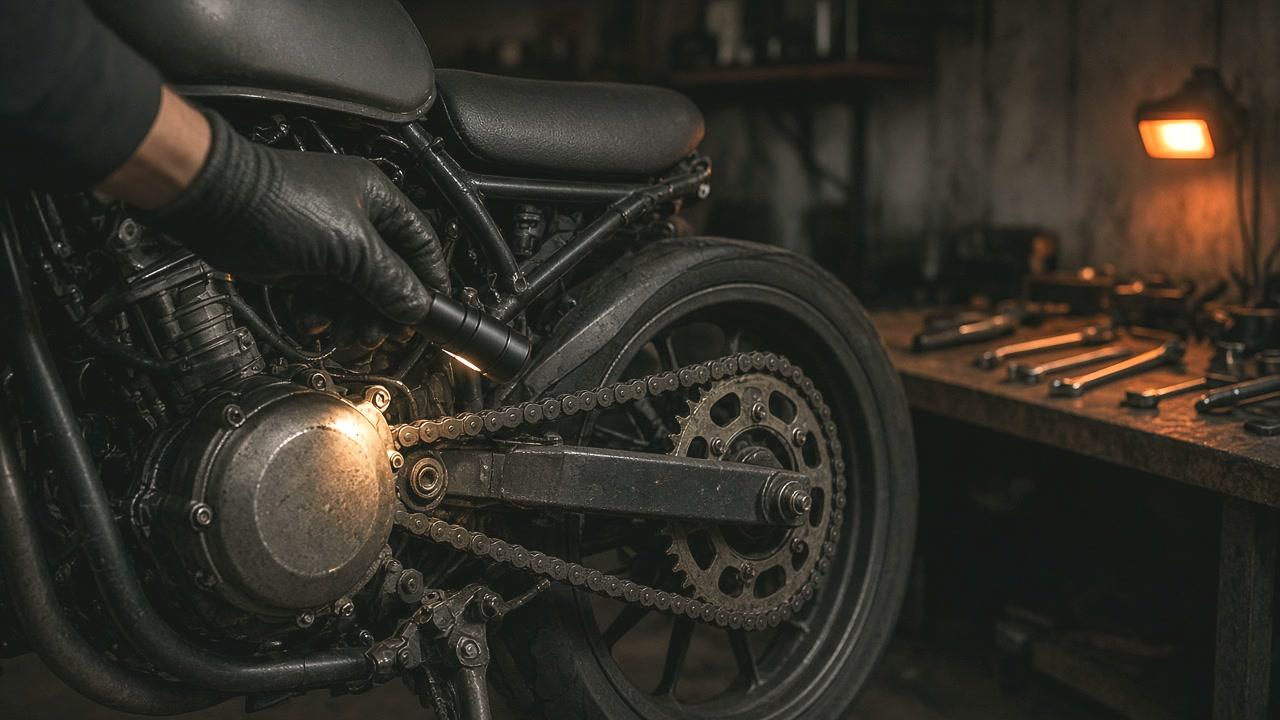
Buying a motorcycle should be a pleasure, not a headache. The used market has traps: hidden faults, murky papers, clever sellers and outright fraud. Here are 15 signs that should make you wary, and sometimes make you turn around and leave. Some are a reason to bargain. Others mean the deal should be cancelled.
1. The price is too good to be true.
A motorcycle far cheaper than the market looks like luck, but that price always raises questions. Behind it there may be serious faults, a leasing debt, theft or ordinary fraud. Scammers like adverts with someone else’s photos, a vague description and a request to decide at once. Compare the price with similar offers: a price far below the market is suspicious, and so is one clearly above it.
2. The seller dodges simple questions.
A normal seller knows who owns the motorcycle, how it was serviced, what has broken and where it spent the winter: in a garage, under a cover or outside. If the person evades, or tells the story differently each time, the bike may be stolen or crashed, and the advert may be fake.
3. There are no registration papers.
In Estonia the main document is the registration certificate, and the data sits in the Transpordiamet vehicle register. Without the papers and proof of ownership, re-registration, the inspection and insurance become a problem. There are exceptions, for example an old bike for restoration, an unregistered motocross bike or a fresh import. Even then the seller must explain clearly why there are no papers. If the seller’s details do not match the register, leave.
4. There is no service history.
Without receipts and notes you cannot tell whether the oil and filters were changed on time and whether the valves were checked. A full history, a service book or a folder of receipts, is a big plus. A partial one is acceptable if the condition and the price allow for it: many riders service the bike themselves. But if the seller says it is all serviced and can show nothing, that is a warning.
5. The VIN does not match the papers.
The 17-character VIN is stamped on the frame and written in the registration certificate. Compare it, and the engine number, with the papers and with the Transpordiamet register. A mismatch can mean theft, a clone, a bike rebuilt after a total loss, or simply a mistake in the papers. It is not worth the risk. Leave.
6. Signs of a crash.
Look for scratches and dents on the tank, the mirrors and the side plastics, bent levers, bars, and the brake and gear pedals. Worn footrests and bar-ends, cracks and welds on the engine covers, and a dented or crooked silencer are suspicious. Tell cosmetics from structure. Stone chips and cracked plastic are unpleasant but bearable. A bent frame, subframe, fork or swingarm, a damaged steering head and battered wheels are dangerous. Ask straight out whether the bike has been dropped, and whether it pulls to one side if you ease your grip on the bars for a second.
7. Fresh paint in suspicious places.
New paint on the steering head, the frame, the engine mounts, the steering stops, the fork legs and the yokes often hides cracks, straightening or welding. Be wary of upgrades on one side only: one new footrest, mismatched bar-ends, a new engine cover. An unexpected steering damper sometimes hides geometry problems after an impact.
8. Heavy corrosion.
Check the frame, the subframe, the fork legs, the tank, the fasteners and the electrics. A long standstill without care hits the whole motorcycle. Petrol goes off and blocks the fuel system, and a half-empty tank rusts. Rubber hardens, hoses crack, brake fluid takes on water. The battery dies and the contacts oxidise. Rust on chrome is cosmetic. Corrosion in load-bearing places will be expensive. In our climate, with a wet autumn and salty roads in spring, this matters especially.
9. Tuning fitted badly.
Good parts from proper makers do not spoil a motorcycle. What matters is how they were fitted. A poorly fixed handlebar, a wrongly set suspension, cheap brakes and wiring twisted together are dangerous. Uneven gaps, wires sticking out and missing fasteners say that corners were cut on the rest too. Ask for a list of the changes, the receipts and the original parts that were taken off. Remember that changes to the structure can raise questions at the inspection and with the insurer.
10. A dashboard fault that you just need to clear.
That sentence should make you wary. It is a sensor, the battery was disconnected, it came on recently: you cannot check those explanations without diagnostics. A warning light can mean anything, from a weak battery to a fault in the engine, the ABS, the traction control or the charging. If it is trivial, why was it not fixed before the sale? Ask for the fault codes to be read.
11. The motorcycle will not start from cold.
Ask them not to warm it up before you arrive. If the engine is already warm, ask why. A cold start shows what a warm engine hides: a weak battery, ignition and fuel problems, smoke, odd noises, an uneven idle and engine wear.
12. The same remarks come back at every inspection.
If every ülevaatus brings up the same notes on the tyres, the brakes, the suspension, the steering or corrosion, the motorcycle was maintained to the minimum. One remark is not a verdict. Repeated ones are. Check the bike’s data and the inspection history in the Transpordiamet e-service (eteenindus.mnt.ee) and compare it with what the seller says.
13. The seller wants a deposit before you have seen it.
An honest seller does not ask for money until you have seen the motorcycle. The scammers’ classic is pay a deposit so I hold it, I am abroad, there are lots of people interested. See the bike in person, match the papers to the seller and the VIN on the frame, pay in a way you can trace, and do not be shy about leaving.
14. The ownership history does not add up.
Several owners are not a problem. But if the motorcycle changed hands often in a short time, ask yourself why. It may have a chronic fault that everyone is in a hurry to pass on. The seller should explain clearly where the bike came from and why they are selling it. You can check the number of owner changes against the Transpordiamet register.
15. You are being rushed.
Another buyer is coming in an hour, tomorrow it will cost more: that is how a buyer is hurried so they do not have time to check properly. A good motorcycle, described honestly, will wait calmly while you look it over.
When it is better to leave.
Trust your instinct. If the seller dodges, will not let you look at the motorcycle or ride it, and presses you, leave. There are plenty of motorcycles on the market, and getting the money back from a bad buy is very hard. A short list: the papers and the VIN match, the seller is named as the owner in the register, there is a service history, the bike starts from cold, there are no warnings on the dash, and there are no crash marks or fresh paint on the frame. Best of all, take an experienced friend, or put the motorcycle on a workshop diagnostic before you buy.
Source: Lexham Insurance.
Id no. 50·…