
The second season: why an experienced rider only seems so
29 Oct 2026 · 5 min read
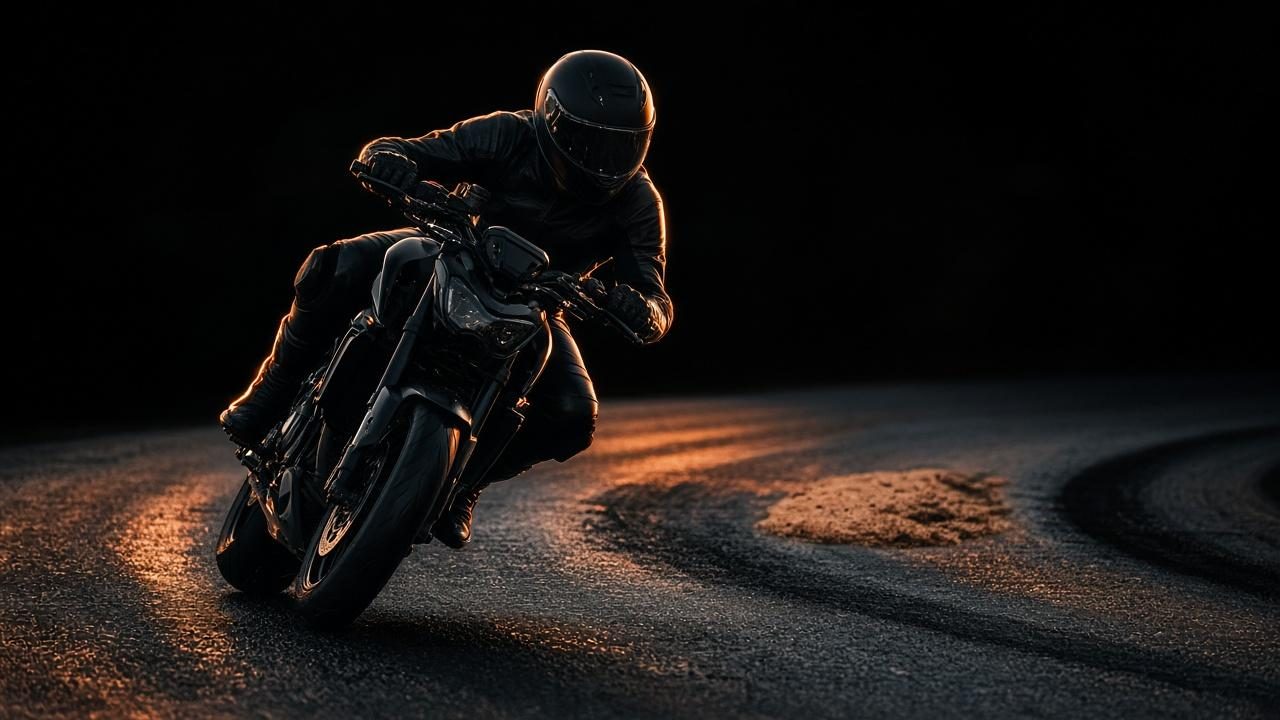
Riders have long said: “The first season teaches, the second punishes.” There is no mystery in it, only simple psychology. The danger of the second season is that confidence grows faster than the real skill.
The first year: fear that keeps you safe
A beginner rides carefully in the first season. He keeps a gap, brakes early, stays out of dense traffic and takes bends gently. Fear works here as a built-in safety system: the rider knows that he knows nothing, and behaves accordingly.
The second year: the trap of “I can already ride”
By the spring of the second season everything changes. There are thousands of kilometres behind you with no serious incident, the hands and feet work on their own, and the fear goes. It feels as if the motorcycle is fully under control.
The trouble is that smooth kilometres teach almost nothing. In the first season you rarely meet a real emergency: hard braking in a bend, a car pulling out, sand on the exit, wet paint or tram rails. The skill of ordinary riding is there. The skill of surviving is not yet.
What makes the second season dangerous
Speed goes up. The rider starts going faster, overtaking more boldly and leaning harder, testing the limits on the road itself.
The motorcycle is more powerful. After the first year many move to a more serious machine, and the new weight, power and character take getting used to all over again.
Spring rust. After a long winter, especially an Estonian one, the reactions and the feel for the bike go dull, while the head still remembers last autumn’s confidence.
New jobs. A passenger appears, the first long trip, riding in a group or on roads you do not know. Each of these adds a load.
Carelessness in small things. “Five minutes to the shop” in trainers and without a jacket, one more look at the phone, the habit of not checking the mirrors.
How to get through the second season
1. Start the spring with practice. Before the first rides into town, spend an hour or two on an empty lot: braking, a slalom, slow moves, a turn in a tight space.
2. Take an advanced riding course. It gives the most in the second season: the base is already there, and now you can learn to work with mistakes.
3. Do not rush to change the motorcycle. If you move to a more powerful one, ride the first weeks as if you were a beginner again.
4. Test yourself, not the road. Speed and lean are better tried on a track or at a riding school, not on a country road.
5. Kit, always. Even on short trips. The asphalt does not know how far you meant to go.
6. Remember the others. To car drivers a motorcycle is still easy to miss, and the rider’s experience does not change that.
The main point
The second season does not have to be dangerous. It becomes so when the fear leaves before the skill arrives. Keep a little of the first year’s caution and put time into learning: then the second season is not a test, but the real start of a long riding life.
A good season, and smooth roads.
Id no. 65·…